IHCMD Logo
HomeAcademic Programs

Academics

All Academic Programs
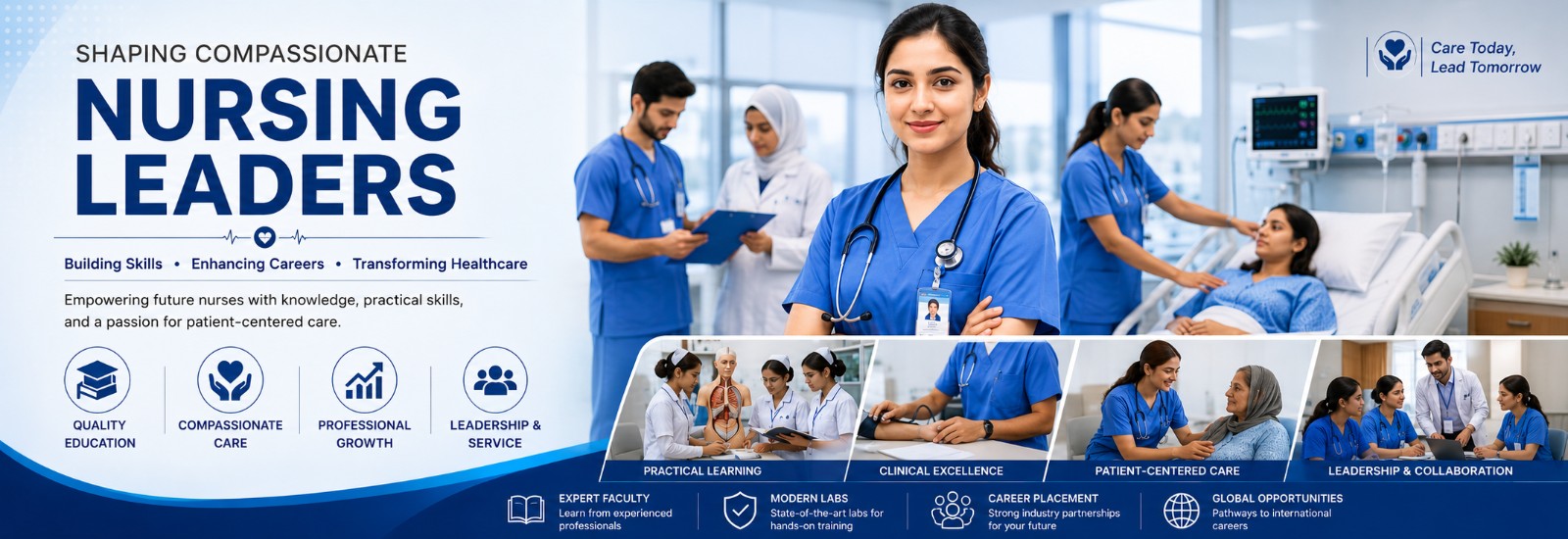
BS Nursing (04 Year)
Degree Programs

BS Nursing (04 Year)

A four-year undergraduate degree that builds clinical competence and compassionate patient care skills through hospital-based training at IRM Hospital alongside a rigorous academic curriculum.    

Read More
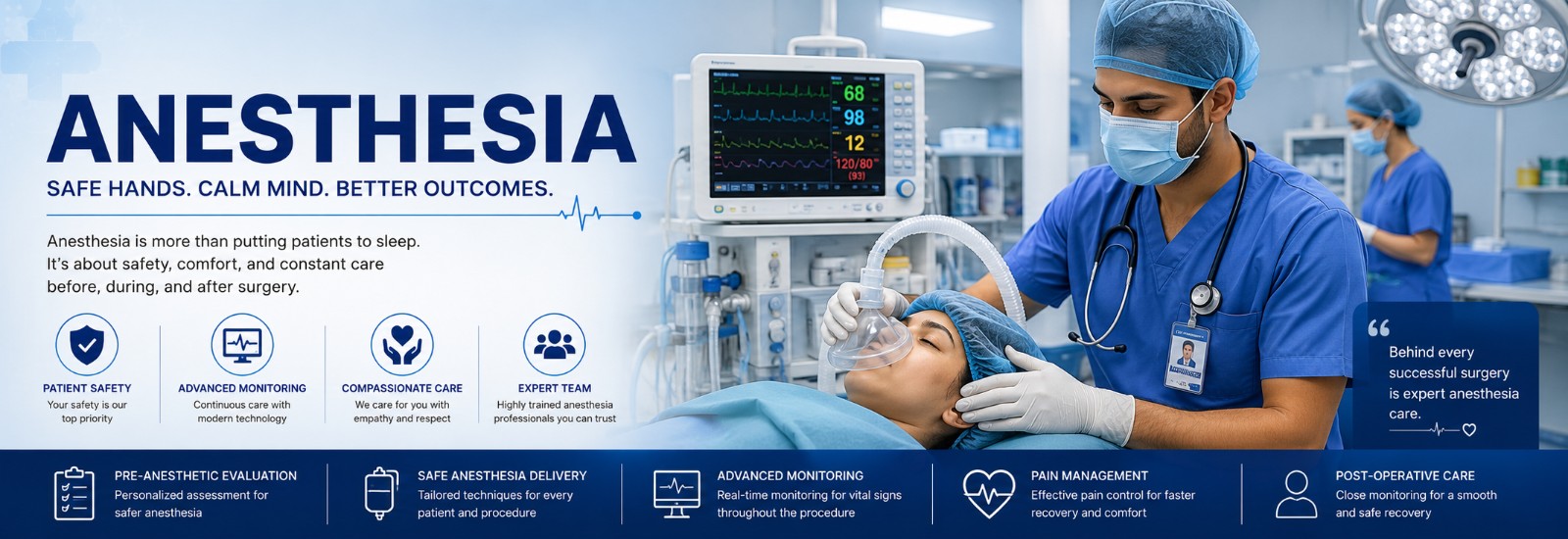
BS Anesthesia Technology
Degree Programs

BS Anesthesia Technology

Prepares students to assist anesthesiologists in surgical settings, covering anesthesia equipment, patient monitoring, and perioperative care through hands-on operation theatre training.

Read More
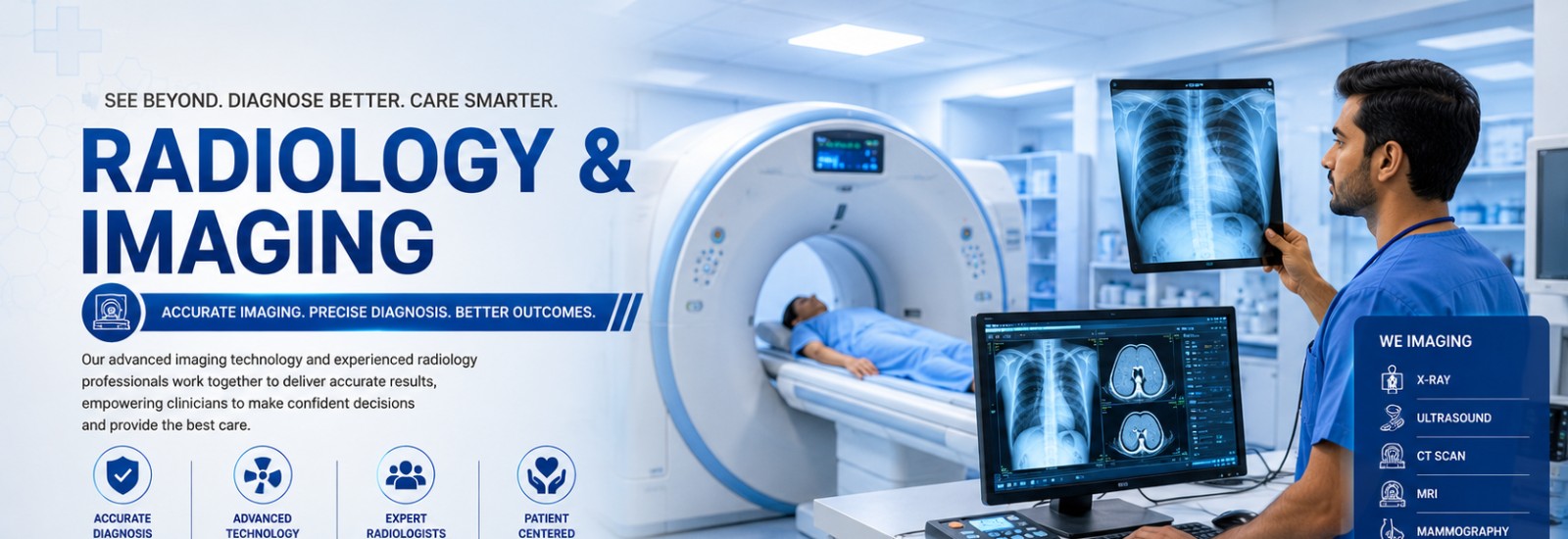
BS Radiology & Imaging
Degree Programs

BS Radiology & Imaging

Trains students in diagnostic imaging techniques including X-ray, CT, and MRI, combining radiologic science theory with supervised practical experience in hospital imaging departments.

Read More
PG-Certificate in Diagnostic Ultrasound
Post Graduate Diploma

PG-Certificate in Diagnostic Ultrasound

An Advanced Certificate covering Diagnostic Ultrasound Techniques and Image interpretation, designed for healthcare professionals seeking specialization in sonography. Duration: 06 Month Mode of Classes: Hybrid Eligibility: MBBS or Graduation in a Medical Field. Hands On: Own Hospital

Read More
Diploma in Central Sterile Services Department (CSSD) Management
Post Graduate Diploma

Diploma in Central Sterile Services Department (CSSD) Management

Program Introduction The Diploma in Central Sterile Services Department (CSSD) Management is a specialized professional program designed to prepare healthcare professionals with the knowledge, technical expertise, and management skills required to ensure the safe reprocessing, sterilization, storage, and distribution of reusable medical devices and surgical instruments. The program focuses on infection prevention and control (IPC), sterilization science, quality assurance, regulatory compliance, and the efficient management of Central Sterile Services Departments in hospitals and healthcare facilities. The CSSD plays a vital role in preventing healthcare-associated infections (HAIs) by ensuring that surgical instruments and medical devices are properly cleaned, disinfected, sterilized, and supplied to clinical departments. With increasing emphasis on patient safety, accreditation standards, and infection control, healthcare organizations require qualified professionals who can manage sterilization processes, maintain equipment, ensure compliance with national and international standards, and implement quality improvement initiatives. Course Objectives Upon successful completion of the program, participants will be able to: Explain the principles of sterilization science, microbiology, and infection prevention and control relevant to Central Sterile Services Department (CSSD) operations. Apply standardized procedures for the cleaning, decontamination, inspection, assembly, packaging, sterilization, storage, and distribution of reusable medical devices and surgical instruments. Operate and monitor sterilization equipment, including steam sterilizers (autoclaves), low-temperature sterilization systems, washer-disinfectors, ultrasonic cleaners, and drying systems. Implement quality assurance and quality control measures, including sterilization monitoring, biological and chemical indicators, process validation, and documentation. Ensure compliance with national regulations and internationally recognized standards, including AAMI , ISO 17665 , World Health Organization (WHO) guidelines, and infection prevention and control protocols. Apply occupational health and safety principles, including personal protective equipment (PPE), hazardous material handling, ergonomics, and emergency response procedures within the CSSD environment. Manage CSSD workflow, inventory, instrument tracking systems, equipment maintenance, procurement, and resource utilization to support efficient healthcare service delivery. Conduct audits, risk assessments, root cause analyses, and continuous quality improvement initiatives to enhance patient safety and CSSD performance. Demonstrate leadership, ethical practice, teamwork, communication, and effective coordination with operating theatres, clinical departments, and infection prevention teams. Plan, implement, and evaluate a CSSD quality improvement or operational enhancement project that addresses real-world sterilization and infection control challenges. Duration: 06 Months Total Credit Hours: 24 Credit Hours Collaboration with Pakistan Institute of Management - Ministry of Industries Government of Pakistan   

Read More
PG Diploma in Healthcare and Hospital Management (DHHM)
Post Graduate Diploma

PG Diploma in Healthcare and Hospital Management (DHHM)

Program Introduction The Diploma in Healthcare and Hospital Management (DHHM) is a comprehensive professional program designed to prepare healthcare professionals and aspiring managers with the knowledge, practical skills, and leadership competencies required to effectively manage hospitals, healthcare institutions, clinics, and other health service organizations. The program provides an integrated understanding of healthcare administration, hospital operations, quality management, patient care services, healthcare finance, human resource management, health information systems, and healthcare regulations. The program is suitable for healthcare professionals, hospital administrators, nurses, allied health professionals, public health practitioners, healthcare entrepreneurs, and individuals seeking management careers within the healthcare sector. Course Objectives Upon successful completion of the program, participants will be able to: Explain the structure, organization, and functioning of healthcare systems and hospital administration in national and international contexts. Apply healthcare management principles to effectively plan, organize, coordinate, and supervise hospital operations and healthcare services. Manage clinical and non-clinical departments by utilizing appropriate administrative, financial, and human resource management practices. Implement quality improvement, patient safety, infection prevention and control, and healthcare accreditation standards to enhance service delivery. Apply healthcare finance, budgeting, procurement, inventory control, and supply chain management principles to improve organizational efficiency. Utilize health information systems, electronic medical records, healthcare analytics, and digital technologies to support informed decision-making and operational excellence. Develop strategies for risk management, emergency preparedness, disaster response, and business continuity within healthcare organizations. Demonstrate effective leadership, communication, teamwork, ethical decision-making, and conflict resolution in multidisciplinary healthcare environments. Ensure compliance with healthcare laws, regulatory requirements, professional standards, and organizational policies while promoting patient-centered care. Plan, implement, and evaluate a healthcare or hospital improvement project that addresses operational, administrative, or quality challenges through evidence-based management practices . Duration: 06 Months Total Credit Hours: 30 Credit Hours Collaboration with Pakistan Institute of Management - Ministry of Industries Government of Pakistan 

Read More
Postgraduate Diploma in Respiratory Therapy Management (PGD-RTM)
Post Graduate Diploma

Postgraduate Diploma in Respiratory Therapy Management (PGD-RTM)

Program Introduction The Postgraduate Diploma in Respiratory Therapy Management (PGD-RTM) is a specialized professional program designed to develop advanced clinical and managerial competencies in respiratory care for healthcare professionals working in critical care, emergency medicine, pulmonary medicine, anesthesia, and intensive care settings. The program equips participants with the knowledge and practical skills required to assess, manage, and monitor patients with acute and chronic respiratory disorders while effectively leading respiratory therapy services within healthcare organizations. The growing burden of respiratory diseases, including chronic obstructive pulmonary disease (COPD), asthma, pneumonia, tuberculosis, interstitial lung diseases, and emerging infectious diseases such as COVID-19, has significantly increased the demand for highly trained respiratory therapy professionals. Advances in mechanical ventilation, pulmonary diagnostics, non-invasive respiratory support, and critical care technologies further require professionals who can integrate evidence-based clinical practice with effective healthcare management. Course Objectives Upon successful completion of the program, participants will be able to: Apply advanced principles of respiratory anatomy, physiology, and pathophysiology in the assessment and management of patients with respiratory disorders. Perform comprehensive respiratory assessments, interpret pulmonary function tests (PFTs) and arterial blood gas (ABG) results, and develop evidence-based respiratory care plans. Demonstrate proficiency in airway management techniques, oxygen therapy, aerosol therapy, non-invasive ventilation (NIV), invasive mechanical ventilation, and ventilator weaning protocols. Manage respiratory care for critically ill patients in intensive care units (ICUs), emergency departments, operating theatres, and specialized pulmonary care settings. Implement infection prevention and control (IPC) measures, patient safety strategies, and quality improvement initiatives within respiratory therapy services. Operate, maintain, and troubleshoot respiratory therapy equipment, including ventilators, humidification systems, monitoring devices, and pulmonary diagnostic equipment. Apply leadership, healthcare management, communication, and multidisciplinary collaboration skills to effectively coordinate respiratory therapy services and optimize patient outcomes. Duration: 06 Months Total Credit Hours: 24 Credit Hours Collaboration with Pakistan Institute of Management - Ministry of Industries Government of Pakistan 

Read More
Postgraduate Diploma in Climate Change and Health Management (PGD-CCHM)
Post Graduate Diploma

Postgraduate Diploma in Climate Change and Health Management (PGD-CCHM)

A Postgraduate Diploma (PG Diploma) in Climate Change and Health Management (PGD-CCHM) with a 06-month duration can be structured as a 24 Credit Hour program. This curriculum aligns with WHO , UNEP , UNFCCC , HEC , and Sustainable Development Goals (SDGs 3, 11, 13) while preparing professionals to strengthen climate-resilient health systems. Program Introduction The Postgraduate Diploma in Climate Change and Health Management (PGD-CCHM) is an interdisciplinary professional program designed to prepare healthcare professionals, environmental practitioners, public health specialists, and development professionals with the knowledge, leadership skills, and practical competencies required to address the growing impacts of climate change on human health and healthcare systems. The program equips participants to assess climate-related health risks, strengthen climate-resilient health systems, implement sustainable healthcare practices, and develop evidence-based adaptation and mitigation strategies. Climate change is one of the greatest public health challenges of the 21st century. Rising temperatures, extreme weather events, air pollution, water scarcity, biodiversity loss, food insecurity, and the increasing frequency of infectious disease outbreaks are placing unprecedented pressure on health systems worldwide. Healthcare organizations, governments, humanitarian agencies, and international development partners require professionals who can integrate climate science with public health, disaster risk reduction, environmental management, and healthcare leadership to protect communities and strengthen health system resilience. Course Objectives Upon successful completion of the program, participants will be able to: Explain the scientific principles of climate change, environmental health, and their impacts on human health, healthcare systems, and sustainable development. Assess climate-sensitive health risks, including heat-related illnesses, vector-borne diseases, respiratory conditions, food insecurity, waterborne diseases, and the health impacts of environmental degradation. Apply epidemiological methods, environmental health assessments, and climate risk analysis to identify vulnerable populations and support evidence-based public health interventions. Design and implement strategies to strengthen climate-resilient healthcare systems through sustainable infrastructure, emergency preparedness, resource management, and service continuity. Develop disaster risk reduction, emergency response, and climate adaptation plans for healthcare facilities and communities affected by climate-related hazards and public health emergencies. Apply national and international climate policies, environmental regulations, and global health frameworks to healthcare planning, climate governance, and sustainable development initiatives. Promote environmentally sustainable healthcare practices by implementing green hospital initiatives, carbon footprint reduction strategies, renewable energy solutions, sustainable procurement, and environmentally responsible healthcare waste management. Conduct climate and health research, vulnerability assessments, health impact assessments, and monitoring and evaluation activities to support evidence-based policy and program development. Demonstrate leadership, interdisciplinary collaboration, ethical practice, and effective communication in managing climate and health programs across healthcare organizations, government agencies, NGOs, and international development institutions. Design and implement a capstone project that addresses a real-world climate change and health challenge through innovative, evidence-based, and sustainable management approaches. Duration: 06 Months Total Credit Hours: 24 Credit Hours Collaboration with Pakistan Institute of Management - Ministry of Industries Government of Pakistan 

Read More
Certificate in Health Research (CHR) or Certificate in Fundamentals of Health Research (CFHR)
Certificate Programs

Certificate in Health Research (CHR) or Certificate in Fundamentals of Health Research (CFHR)

Program Introduction The Certificate in Fundamentals of Health Research (CFHR) is a comprehensive short-term professional program designed to provide participants with the essential knowledge and practical skills required to conduct high-quality health research. The program introduces the principles of scientific inquiry, research methodology, biostatistics, research ethics, scientific writing, and evidence-based healthcare, enabling participants to contribute effectively to clinical, public health, and health systems research. Health research is fundamental to improving healthcare delivery, informing public health policies, advancing clinical practice, and addressing emerging health challenges. Healthcare professionals increasingly require research competencies to critically evaluate scientific evidence, conduct research projects, analyze data, and translate research findings into evidence-based practice. This certificate program provides a strong foundation for individuals planning to pursue postgraduate education, research careers, or professional roles requiring research and analytical skills. The curriculum combines theoretical instruction with practical exercises in literature review, research design, data collection, statistical analysis, proposal development, and scientific reporting. Through workshops, case studies, hands-on assignments, and a mini research proposal, participants gain practical experience in planning and conducting ethical health research. The program is suitable for healthcare professionals, students, public health practitioners, researchers, faculty members, and individuals interested in developing fundamental competencies in health research and evidence-based practice . Course Objectives Upon successful completion of the program, participants will be able to: Explain the principles, concepts, and importance of health research in improving healthcare practice, public health, and policy development. Differentiate between quantitative, qualitative, and mixed-methods research designs and select appropriate methodologies for health research. Conduct comprehensive literature reviews using scientific databases and critically appraise published research to support evidence-based decision-making. Develop research questions, objectives, hypotheses, and study protocols using accepted scientific research methods. Apply fundamental biostatistical concepts and appropriate data collection, management, and analysis techniques using statistical software. Demonstrate understanding of research ethics, informed consent, participant protection, confidentiality, and institutional ethical review processes. Prepare research proposals, scientific reports, and manuscripts following internationally accepted academic writing and referencing standards. Interpret research findings and communicate scientific evidence effectively through written reports, presentations, and dissemination strategies. Utilize research findings to support evidence-based healthcare practice, quality improvement initiatives, and public health interventions. Design and present a mini health research proposal that demonstrates competency in research planning, methodology, ethical considerations, and scientific communication. Duration: 03 Months Total Credit Hours: 15 Credit Hours Collaboration with Pakistan Institute of Management - Ministry of Industries Government of Pakistan 

Read More
PG- Certificate Infection Prevention and Control (IPC)
Certificate Programs

PG- Certificate Infection Prevention and Control (IPC)

Covers Infection Prevention and Control Principles essential for Reducing Hospital-Acquired Infections and Maintaining Safe Clinical Environments.

Read More
Certificate in Pharmacovigilance and Drug Safety Management (CPVDSM)
Certificate Programs

Certificate in Pharmacovigilance and Drug Safety Management (CPVDSM)

Program Introduction The Certificate in Pharmacovigilance and Drug Safety Management (CPVDSM) is a specialized professional program designed to provide healthcare professionals with the fundamental knowledge and practical skills required to monitor, assess, prevent, and manage adverse drug reactions (ADRs) and other medicine-related safety issues. The program equips participants with competencies in pharmacovigilance systems, drug safety monitoring, regulatory compliance, signal detection, risk management, and patient safety to support the safe and effective use of medicines. As healthcare systems continue to introduce new medicines, vaccines, biologics, and medical therapies, the importance of pharmacovigilance has grown significantly. National regulatory authorities, pharmaceutical companies, hospitals, and international health organizations require trained professionals who can identify adverse drug reactions, evaluate safety data, comply with regulatory reporting requirements, and contribute to evidence-based medication safety programs. This certificate program provides participants with practical knowledge of pharmacovigilance principles aligned with international regulatory standards and best practices. The curriculum integrates pharmacovigilance concepts with case processing, adverse event reporting, signal detection, risk management, regulatory affairs, drug safety databases, and scientific communication. Through case studies, practical exercises, simulated Individual Case Safety Reports (ICSRs), and a capstone project, participants develop the competencies needed to contribute effectively to pharmacovigilance and drug safety activities in healthcare and pharmaceutical settings. This program is suitable for pharmacists, physicians, nurses, dentists, allied health professionals, clinical researchers, public health practitioners, pharmaceutical industry personnel, and regulatory professionals seeking careers in drug safety and pharmacovigilance. Course Objectives Upon successful completion of the program, participants will be able to: Explain the principles, objectives, and importance of pharmacovigilance in ensuring the safe and rational use of medicines. Identify, document, assess, and report adverse drug reactions (ADRs), adverse events following immunization (AEFIs), medication errors, and other drug safety concerns using internationally accepted pharmacovigilance practices. Apply pharmacovigilance processes for Individual Case Safety Report (ICSR) preparation, case processing, causality assessment, and safety documentation. Interpret national and international pharmacovigilance regulations, including the roles of DRAP , World Health Organization (WHO) , Uppsala Monitoring Centre (UMC) , International Council for Harmonisation (ICH) , and Good Pharmacovigilance Practices (GVP) . Conduct basic signal detection, benefit-risk evaluation, and risk management activities to support regulatory decision-making and patient safety. Utilize pharmacovigilance databases, digital reporting systems, and healthcare information technologies for effective drug safety monitoring and reporting. Promote medication safety, risk communication, and patient education through effective collaboration with healthcare professionals and regulatory authorities. Demonstrate ethical practice, data confidentiality, regulatory compliance, and professional responsibility in pharmacovigilance and drug safety activities. Analyze real-world pharmacovigilance case studies to identify safety concerns and recommend appropriate risk minimization measures. Develop and present a pharmacovigilance or drug safety project demonstrating competency in adverse event reporting, risk assessment, and regulatory compliance. Duration: 03 Months Total Credit Hours: 15 Credit Hours Collaboration with Pakistan Institute of Management - Ministry of Industries Government of Pakistan 

Read More
Certificate Programs

Operation Theatre Management

Focuses on the efficient management of operation theatre workflows, sterilization standards, and surgical team coordination.

Read More
Dispensing Technology
FSc Medical Technologies

Dispensing Technology

FSc in Dispensing Technology is a two-year intermediate-level paramedical program equivalent to F.Sc. It trains students in pharmaceutical calculations, prescription handling, medication management, and basic hospital or retail pharmacy operations under pharmacist supervision A Technical Program covering pharmaceutical dispensing practices, medication safety, and pharmacy support skills for entry-level healthcare roles. Approved by FBISE Islamabad Program Overview Duration: 2 years (equivalent to intermediate / F.Sc) Eligibility: Matriculation (science or general group depending on the board/institute) Affiliation: Endorsed or affiliated with boards like the Federal Board (FBISE) Core Subjects Covered Dispensing techniques and pharmacy practice Pharmacology and basic pharmaceutics Anatomy and physiology Pharmacy law, ethics, and inventory control

Read More
Medical Lab Technology
FSc Medical Technologies

Medical Lab Technology

F.Sc Medical Laboratory Technology (MLT) is a 2-year intermediate level allied health program. It trains students in clinical pathology, hematology, microbiology, and blood banking. Graduates work as lab technicians or pursue a 4-year BS degree in Medical Lab Technology Trains students in laboratory diagnostic techniques, sample analysis, and equipment handling required for clinical and pathology laboratories. Program Overview Duration: 2 years (equivalent to F.Sc / Intermediate) Affiliation: Recognized by boards like Federal Board of Intermediate and Secondary Education (FBISE) islamabad. Eligibility: Matric (Science) with minimum 45% to 50% marks Approved by FBISE Islamabad

Read More
Operation Theatre Technology
FSc Medical Technologies

Operation Theatre Technology

F.Sc Operation Theatre Technology (F.Sc OTT) is a two-year intermediate level medical program equivalent to F.Sc. It trains students to become skilled operation theatre technicians who assist surgeons, manage surgical instruments, prepare the operating room, and maintain sterile environments in hospitals Provides Foundational training in Operation Theatre Procedures, Surgical Instrument Handling, and Sterile Technique for aspiring OT Technicians. Program Details Duration: 2 Years (Intermediate equivalent) Eligibility: Matriculation (Science group preferred) Affiliation/Approval: FBISE Islamabad Core Subjects & Skills Basic Sciences: Anatomy, physiology, and basic pathology. Surgical Procedures: Assisting in various types of surgeries. Sterilization: Infection control and cleaning surgical tools. Equipment Management: Handling anesthesia and operation theatre machines. Patient Care: Pre-operative and post-operative patient safety. Career Opportunities Work as an Operation Theatre Technician or Surgical Assistant in public and private hospitals, clinics, and emergency trauma centers. Opportunity to advance education by enrolling in a 4-year BS Allied Health Sciences / BS Operation Theatre Technology degree after completion

Read More
Cardiology Technology
FSc Medical Technologies

Cardiology Technology

FSc Cardiac Technology is a 2-year allied health intermediate-level program designed to train assistant technicians in cardiovascular care. Students learn to perform and assist with diagnostic tests like ECGs, echocardiograms, and stress tests, preparing for support roles in hospital cardiac wards and diagnostic clinics.  Combines Foundational Training in Cardiac Diagnostic Procedures and Radiologic Imaging Support for Entry-level roles in Cardiology Department. Approved by FBISE Islamabad Program Overview & Eligibility Duration: 2 years (equivalent to intermediate/FSc). Eligibility: Matriculation (Science or equivalent), though some specialized paramedical institutions prefer or require specific science backgrounds. Core Focus: Basic cardiovascular anatomy, physiology, patient care workflows, and medical ethics

Read More
F.Sc Nursing
FSc Medical Technologies

F.Sc Nursing

FSc Nursing is a 2-year intermediate-level pre-medical and technical program in Pakistan. It combines core science subjects with basic nursing, anatomy, and patient care training. It prepares students for clinical jobs or further higher education in healthcare Eligibility Criteria Qualification: Matric (Science) or FSc (Pre-Medical) with at least 45% to 50% marks. Matric Arts and Computer Science also eligible. Age Limit: Generally ranges from 14 to 35 years old depending on the board or institute guidelines. Board Approval: Programs are typically aligned with federal or provincial boards and recognized by bodies like the Approved by FBISE Islamabad

Read More
Radiology Technology
FSc Medical Technologies

Radiology Technology

FSc in Radiology, also known as Radiology & Imaging Technology (RIT) or Medical Imaging Technology (MIT), is a 2-year intermediate-level allied health sciences program. It trains students to operate diagnostic equipment like X-rays, CT scans, MRIs, and ultrasounds to assist physician Eligibility Duration: 2 years (equivalent to intermediate/FSc). Eligibility Criteria: Matriculation (Science with Biology preferred) or equivalent with passing marks. Core Subjects: Anatomy, physiology, basic physics of radiation, safety protocols, and machine operations. Practical Training: Hands-on clinical rotations in hospital imaging departments and laboratories Approved by FBISE Islamabad

Read More
Diploma in Digital Medical Billing Management (DMBM)
Post Graduate Diploma

Diploma in Digital Medical Billing Management (DMBM)

Program Introduction The Diploma in Digital Medical Billing Management (DMBM) is a specialized professional program designed to prepare individuals with the knowledge, technical expertise, and practical skills required to manage digital medical billing, health insurance claims, medical coding, revenue cycle management, and healthcare reimbursement processes. The program equips participants to work efficiently in hospitals, clinics, health insurance companies, medical billing firms, telehealth organizations, and international healthcare outsourcing (BPO) services. The rapid digital transformation of healthcare has significantly increased the demand for skilled medical billing professionals who can accurately process insurance claims, apply medical coding standards, ensure regulatory compliance, and optimize healthcare revenue cycles. The growing adoption of Electronic Health Records (EHRs), Hospital Information Systems (HIS), telemedicine platforms, and cloud-based billing software has created new career opportunities for professionals with expertise in digital healthcare administration and medical billing technologies. The curriculum integrates medical terminology, anatomy and physiology, diagnostic and procedural coding, health insurance systems, revenue cycle management, electronic medical records, healthcare compliance, billing software, healthcare analytics, customer service, and freelancing skills. Through practical laboratory sessions, software-based simulations, case studies, and internship opportunities, participants gain hands-on experience using modern medical billing systems and digital healthcare technologies. This diploma is ideal for healthcare graduates, administrative professionals, medical record officers, health information technicians, and individuals seeking careers in digital healthcare administration and international medical billing services. Course Objectives Upon successful completion of the program, participants will be able to: Explain the principles of medical billing, healthcare reimbursement systems, and revenue cycle management in healthcare organizations. Apply medical terminology, anatomy, physiology, and diagnostic documentation to accurately interpret patient records for billing purposes. Utilize internationally recognized medical coding systems, including ICD-10-CM, ICD-10-PCS, CPT, and HCPCS, for accurate coding and claim preparation. Process electronic medical claims using digital medical billing software, Electronic Health Records (EHRs), Hospital Information Systems (HIS), and practice management systems. Manage health insurance verification, claim submission, reimbursement procedures, denial management, appeals, and payment reconciliation while ensuring compliance with payer requirements. Ensure compliance with healthcare regulations, documentation standards, patient confidentiality, data privacy, and ethical billing practices. Analyze billing performance, revenue cycle indicators, financial reports, and operational data to improve billing accuracy, efficiency, and organizational revenue. Demonstrate effective communication, customer service, teamwork, and problem-solving skills while interacting with healthcare providers, insurance companies, and patients. Utilize digital platforms, remote work technologies, and freelancing strategies to provide medical billing services to national and international healthcare clients. Develop and present a practical medical billing project demonstrating competency in coding, claim processing, revenue cycle management, and digital healthcare administration. Duration: 03 Months Total Credit Hours: 24 Credit Hours Collaboration with Pakistan Institute of Management - Ministry of Industries Government of Pakistan

Read More
PG-Certificate in  Health Care Leadership and Management (CHCLM)
Certificate Programs

PG-Certificate in Health Care Leadership and Management (CHCLM)

Program Introduction The Certificate in Health Care Leadership and Management (CHCLM) is a specialized professional development program designed to equip current and aspiring healthcare leaders with the knowledge, skills, and competencies required to effectively lead healthcare organizations, manage multidisciplinary teams, and improve the quality and efficiency of healthcare services. The program emphasizes leadership development, strategic management, healthcare operations, organizational behavior, financial management, quality improvement, and evidence-based decision-making to meet the evolving needs of modern healthcare systems. Healthcare organizations are facing increasing challenges, including rising patient expectations, technological advancements, workforce shortages, regulatory requirements, financial constraints, and the growing demand for high-quality, patient-centered care. Effective leadership and management are essential for ensuring organizational resilience, promoting innovation, enhancing patient safety, and achieving sustainable healthcare outcomes. This certificate program provides participants with practical leadership and management tools that can be immediately applied in hospitals, clinics, public health organizations, NGOs, and other healthcare settings. Course Objectives Upon successful completion of the program, participants will be able to: Explain the principles, theories, and practices of leadership and management within healthcare organizations. Apply strategic planning and organizational management principles to improve healthcare service delivery, operational efficiency, and organizational performance. Demonstrate effective leadership, communication, teamwork, negotiation, and conflict resolution skills while managing multidisciplinary healthcare teams. Apply financial management, budgeting, resource allocation, and healthcare operations management principles to support organizational sustainability. Implement quality improvement, patient safety, risk management, and healthcare accreditation strategies to enhance clinical and organizational performance. Utilize healthcare information systems, digital health technologies, and performance data to support evidence-based leadership and managerial decision-making. Lead organizational change, innovation, and workforce development initiatives while promoting a culture of continuous learning and professional excellence. Apply ethical principles, healthcare laws, governance frameworks, and regulatory requirements in leadership and organizational decision-making. Analyze complex healthcare challenges and develop practical management solutions using critical thinking and evidence-based approaches. Design and present a healthcare leadership or management improvement project that demonstrates competency in strategic planning, team leadership, and organizational development. Duration: 03 Months Total Credit Hours: 15 Credit Hours Collaboration with Pakistan Institute of Management - Ministry of Industries Government of Pakistan

Read More
Postgraduate (PG) Diploma in Biomedical Waste Management (PGD-BMWM)
Post Graduate Diploma

Postgraduate (PG) Diploma in Biomedical Waste Management (PGD-BMWM)

Program Introduction The Postgraduate Diploma in Biomedical Waste Management (PGD-BMWM) is a specialized professional program designed to prepare healthcare professionals, environmental health practitioners, and healthcare managers with the advanced knowledge, technical expertise, and leadership skills required to safely manage biomedical waste in healthcare facilities. The program focuses on the effective segregation, collection, transportation, treatment, disposal, and monitoring of healthcare waste while ensuring environmental protection, occupational safety, infection prevention, and regulatory compliance. Biomedical waste generated by hospitals, laboratories, clinics, blood banks, research institutions, and other healthcare facilities presents significant risks to healthcare workers, patients, waste handlers, the public, and the environment if not managed appropriately. Growing concerns regarding healthcare-associated infections, antimicrobial resistance, environmental pollution, and climate change have increased the demand for qualified professionals capable of implementing sustainable healthcare waste management systems in accordance with national regulations and international standards. The curriculum integrates scientific principles of biomedical waste management with practical applications in healthcare operations, hazardous waste handling, treatment technologies, environmental management, occupational health and safety, quality assurance, regulatory compliance, and healthcare sustainability. Through practical demonstrations, waste audits, case studies, healthcare facility visits, and a capstone project, participants gain hands-on experience in designing and managing comprehensive biomedical waste management programs. Course Objectives Upon successful completion of the program, participants will be able to: Explain the principles, classifications, and environmental and public health implications of biomedical waste generated in healthcare facilities. Apply internationally accepted procedures for the segregation, packaging, labeling, storage, transportation, treatment, and final disposal of biomedical waste. Evaluate and implement appropriate biomedical waste treatment technologies, including autoclaving, incineration, chemical disinfection, microwave treatment, and other environmentally sustainable alternatives. Ensure compliance with national biomedical waste regulations, environmental legislation, Pakistan Environmental Protection Agency (Pak-EPA) standards, Pakistan Healthcare Commission (PHC) requirements, and World Health Organization (WHO) guidelines. Design and implement infection prevention and control (IPC), occupational health and safety, and Personal Protective Equipment (PPE) programs to minimize biological, chemical, and physical hazards associated with healthcare waste. Conduct biomedical waste audits, environmental risk assessments, compliance inspections, and quality improvement initiatives to strengthen healthcare waste management systems. Utilize waste management data, digital tracking systems, and performance indicators to monitor biomedical waste operations and support evidence-based decision-making. Develop environmentally sustainable healthcare waste management strategies that promote resource efficiency, pollution prevention, circular economy principles, and climate-resilient healthcare practices. Demonstrate leadership, ethical responsibility, multidisciplinary collaboration, and effective communication in planning and managing biomedical waste programs across healthcare organizations. Design, implement, and evaluate a biomedical waste management improvement project or healthcare waste audit that addresses a real-world environmental or operational challenge. A Postgraduate (PG) Diploma in Biomedical Waste Management (PGD-BMWM) with a 06-month duration is appropriately structured as a 24 Credit Hour program. The curriculum below is aligned with WHO Safe Management of Healthcare Waste , Pakistan Environmental Protection Agency (Pak-EPA) guidelines, Pakistan Healthcare Commission (PHC) standards, ISO 14001 Environmental Management Systems , and international best practices. Duration: 06 Months Total Credit Hours: 24 Credit Hours Collaboration with Pakistan Institute of Management - Ministry of Industries Government of Pakistan

Read More
Postgraduate Diploma in AI in Modern Healthcare (PGD-AIMH)
Post Graduate Diploma

Postgraduate Diploma in AI in Modern Healthcare (PGD-AIMH)

Program Introduction The Postgraduate Diploma in AI in Modern Healthcare (PGD-AIMH) is an advanced professional program designed to equip healthcare professionals, administrators, and technology practitioners with the knowledge and practical skills required to apply Artificial Intelligence (AI) in modern healthcare systems. The program focuses on the integration of AI technologies to improve clinical decision-making, patient care, healthcare operations, diagnostics, research, and health system management. Artificial Intelligence is transforming healthcare by enabling predictive analytics, intelligent diagnostics, medical imaging analysis, personalized medicine, clinical decision support, robotic process automation, and digital health innovations. Healthcare organizations worldwide are increasingly adopting AI-driven solutions to enhance efficiency, improve patient outcomes, optimize resource utilization, and support evidence-based healthcare delivery. Consequently, there is a growing demand for professionals who can understand, implement, manage, and ethically govern AI technologies within healthcare environments. The curriculum combines fundamental concepts of artificial intelligence, machine learning, healthcare data analytics, clinical decision support systems, medical imaging applications, health informatics, automation technologies, cybersecurity, ethics, and regulatory frameworks. Through practical laboratories, case studies, AI-enabled healthcare projects, and applied research, participants gain hands-on experience in deploying AI solutions to address real-world healthcare challenges. This program is ideal for physicians, dentists, nurses, pharmacists, allied health professionals, public health practitioners, healthcare managers, health informatics specialists, IT professionals, and researchers seeking leadership roles in digital health and AI-enabled healthcare transformation. Course Objectives Upon successful completion of the program, participants will be able to: Explain the principles, concepts, and applications of Artificial Intelligence (AI), Machine Learning (ML), and Digital Health technologies in modern healthcare. Analyze healthcare data using AI and data analytics techniques to support evidence-based clinical and managerial decision-making. Apply AI-enabled clinical decision support systems, predictive analytics, and medical imaging technologies to improve patient diagnosis, treatment planning, and healthcare outcomes. Evaluate the use of AI in healthcare operations, including hospital management, workflow automation, resource optimization, and patient engagement. Integrate health informatics, electronic health records (EHRs), and digital health platforms with AI technologies to enhance healthcare delivery and interoperability. Assess ethical, legal, regulatory, privacy, and cybersecurity considerations related to the development and implementation of AI in healthcare. Design and manage AI-based healthcare innovation projects using quality improvement, project management, and implementation science principles. Critically evaluate emerging AI technologies, including generative AI, precision medicine, robotics, Internet of Medical Things (IoMT), and telehealth applications. Demonstrate leadership, interdisciplinary collaboration, and professional communication in planning and managing AI-driven healthcare initiatives. Develop and present a capstone project that applies AI technologies to solve a real-world healthcare problem, improve organizational performance, or enhance patient care. Duration: 06 Months Total Credit Hours: 24 Credit Hours Collaboration with Pakistan Institute of Management - Ministry of Industries Government of Pakistan

Read More
Postgraduate Diploma in Health Care Quality and Patient Safety (PGD-HCQPS)
Post Graduate Diploma

Postgraduate Diploma in Health Care Quality and Patient Safety (PGD-HCQPS)

Program Introduction The Postgraduate Diploma in Health Care Quality and Patient Safety (PGD-HCQPS) is a specialized professional program designed to prepare healthcare professionals with the advanced knowledge, leadership skills, and practical competencies required to improve the quality, safety, effectiveness, and efficiency of healthcare services. The program focuses on developing expertise in quality management systems, patient safety, clinical governance, risk management, healthcare accreditation, performance improvement, and evidence-based healthcare practices. Improving healthcare quality and ensuring patient safety have become global priorities as healthcare organizations strive to reduce medical errors, prevent healthcare-associated infections, enhance patient experiences, and achieve better clinical outcomes. Hospitals and healthcare institutions increasingly require qualified professionals who can design, implement, monitor, and evaluate quality improvement initiatives while ensuring compliance with national regulations and international accreditation standards. Course Objectives Upon successful completion of the program, participants will be able to: Explain the principles, concepts, and frameworks of healthcare quality management and patient safety in accordance with international best practices. Design, implement, and evaluate Continuous Quality Improvement (CQI) initiatives to improve clinical outcomes, operational efficiency, and patient satisfaction. Apply patient safety principles, risk management strategies, and evidence-based approaches to reduce medical errors and prevent adverse events. Conduct clinical audits, Root Cause Analysis (RCA), Failure Mode and Effects Analysis (FMEA), and other quality improvement tools to identify system weaknesses and implement corrective actions. Develop and monitor quality indicators, key performance indicators (KPIs), dashboards, and healthcare performance measurement systems to support evidence-based decision-making. Implement healthcare accreditation standards, clinical governance frameworks, infection prevention and control measures, and regulatory compliance requirements within healthcare organizations. Utilize healthcare information systems, quality data analytics, and digital technologies to monitor quality performance and support organizational improvement. Demonstrate leadership, effective communication, teamwork, and change management skills necessary to foster a culture of quality, patient safety, and continuous organizational improvement. Promote ethical practice, patient-centered care, and multidisciplinary collaboration while ensuring compliance with healthcare laws, policies, and professional standards. Design, implement, and evaluate a healthcare quality improvement project that addresses a real organizational challenge and contributes to safer, higher-quality healthcare delivery. Duration: 06 Months Total Credit Hours: 24 Credit Hours Collaboration with Pakistan Institute of Management - Ministry of Industries Government of Pakistan

Read More